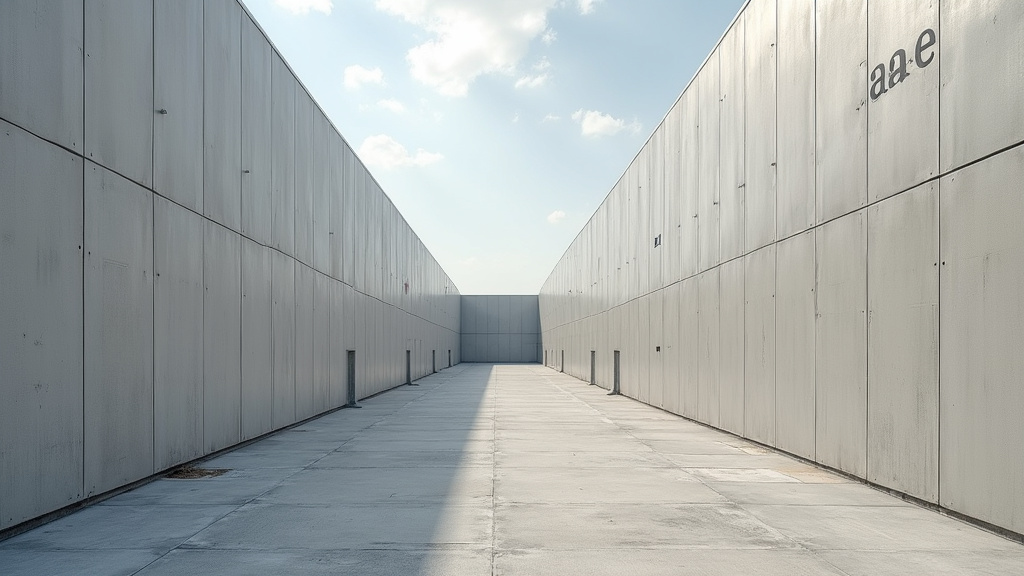
At a glanceSiding is the protective outer covering of a building’s walls, available in various materials like wood, vinyl, and metal. It shields structures from the elements, enhances curb appeal, and can significantly improve energy efficiency by insulating against heat and cold.
Key Takeaways
- Choosing the right siding material can significantly impact your home’s energy efficiency (read more here) and long-term maintenance costs.
- Wooden siding offers a classic aesthetic, but requires regular maintenance to prevent rot and insect damage.
- Vinyl siding is low-maintenance, cost-effective, and available in a wide variety of styles, making it a popular choice for homeowners.
- Fiber cement siding is durable, fire-resistant, and requires minimal maintenance, but can be more expensive upfront.
- Metal siding provides exceptional durability and low maintenance, but can conduct heat and cold, impacting energy efficiency.
- Brick siding offers a timeless, high-end look, but is the most expensive option and requires professional installation.
- Proper siding installation is crucial for preventing water damage, ensuring structural integrity, and enhancing your home’s curb appeal.
In the realm of construction and home exterior aesthetics, siding stands as a cornerstone of any structure’s beauty and durability. As a protective barrier against the elements, it not only preserves the integrity of buildings but also significantly influences their visual appeal. However, selecting the right siding presents a complex challenge due to the vast array of options available today. This article delves into the intricacies of siding, offering an authoritative guide for homeowners seeking to enhance their abodes’ exterior while ensuring longevity and aesthetic harmony. We’ll explore various types, installation best practices, and maintenance tips, providing a comprehensive solution for navigating this crucial aspect of home improvement.

Siding Contractors in Austin: Where to Start
Looking for siding contractors in Austin, TX? siding contractors in Austin, TX serves the local area and can answer questions specific to Austin.
Understanding Different Types of Siding Materials
Siding, a crucial element of a home’s exterior, not only enhances aesthetics but also plays a vital role in protecting the structure from the elements. Understanding the different types of siding materials is essential for any homeowner or construction professional in Austin, where local factors significantly affect the choice and installation of siding. In this context, let’s explore the diverse options, their pros and cons, and the latest trends shaping the exterior landscape.
One of the most common types is vinyl siding, known for its affordability and low maintenance. It’s a popular choice in Austin due to its ability to withstand the region’s moist climate. However, over time, vinyl can become prone to warping and cracking, especially in extreme temperatures. On the other hand, fiber cement siding, a game-changer in the industry, offers excellent durability and a natural, wood-like appearance. This durable option is a smart investment for Austin homes, as it can last up to 50 years with proper maintenance. Yet, it comes at a higher upfront cost compared to vinyl. When considering the best time for installation, many experts suggest the late spring or early fall when weather conditions are more favorable.
In terms of cost, replacing siding on a 2000 sq ft house can range from $5,000 to $15,000 or more, depending on the material chosen. The new trend leans towards sustainable options, with many homeowners opting for recycled materials like vinyl or metal. For Austin, local factors like extreme heat and humidity call for siding that can handle the climate. Avoid using low-quality materials that might fail prematurely, leading to costly repairs. Instead, explore alternatives like stucco or stone veneer, which, while more expensive, offer superior longevity and aesthetic appeal. In conclusion, the best type of exterior siding depends on individual preferences, budget, and local conditions, making it crucial to consult with professionals for tailored advice.

| Factor | What to know |
|---|---|
| Vinyl siding | Affordable, low-maintenance, but can warp or crack in extreme temperatures |
| Fiber cement siding | Durable, fire-resistant, wood-like look, lasts up to 50 years |
| Wood siding | Classic look but needs regular maintenance to prevent rot and insects |
| Metal siding | Durable, low-maintenance, but conducts heat and cold |
| Brick siding | High-end, timeless look, most expensive, needs professional installation |
| Replacement cost | 2000 sq ft house siding costs $5,000 to $15,000 or more |
Choosing the Right Siding for Your Home's Style and Climate
Choosing the right siding for your home isn’t just about aesthetics; it plays a significant role in enhancing your property’s value and ensuring longevity against Austin’s unique climate challenges. In this city, where hot summers and occasional storms can take their toll on exterior surfaces, selecting the appropriate siding becomes even more critical. Let’s delve into the factors that guide your decision, from budgeting to timing and the latest trends, to ensure a successful transformation for your 2000 sq ft house or any Austin residence.
First, let’s address the financial aspect—a crucial consideration when embarking on a home improvement project. The cost of replacing siding on a 2000 sq ft house can vary greatly, typically ranging from $5 to $15 per square foot, depending on the material and complexity of installation. Higher-end options like fiber cement or vinyl with custom colors can increase costs significantly. It’s essential to balance your budget with the desired look and durability. For instance, while wood offers a classic charm, it requires regular maintenance and may not be as cost-effective in the long term compared to low-maintenance alternatives like vinyl siding.
Timing is another critical factor, particularly when considering Austin’s climate. The best time to install siding is during the cooler months, specifically from late fall to early spring. During these periods, outdoor temperatures are more comfortable for workers, and less chance of extreme weather events means fewer delays. Moreover, many contractors offer off-season discounts, making it an economically strategic time to undertake such projects. However, don’t let a fear of bad weather deter you; modern siding materials, especially those designed to withstand harsh conditions, can enhance your home’s protection against Austin’s elements.
When it comes to the best type of exterior siding for a house in this region, several options stand out. Fiber cement siding is a top choice due to its durability and low maintenance requirements. This versatile material mimics the look of wood while offering superior resistance to rot, mold, and fire. Vinyl siding is another popular option known for its affordability and ease of installation, making it an excellent budget-friendly solution without compromising aesthetics. For those seeking a more unique appearance, stucco provides a beautiful, traditional finish that can complement various architectural styles.
Staying abreast of the latest trends in siding design is essential for homeowners looking to enhance their home’s curb appeal while maintaining its value. Currently, there’s a growing preference for natural-looking materials with an organic aesthetic. Board and batten, shake, and shingles that mimic wood or stone textures are gaining popularity. Additionally, vibrant colors and unique patterns add character to exterior spaces. In Austin, where homes come in diverse architectural styles, from historic to modern, these trends offer something for everyone.
However, beyond aesthetics, it’s crucial to consider potential problems and local factors specific to Austin. Extreme heat can cause certain materials to expand or contract, leading to premature deterioration. Additionally, the city’s humidity levels can contribute to mold and mildew issues if not addressed properly during installation. Local building codes should also be factored in, as they dictate permitted siding materials and installation methods to ensure structural integrity and safety standards.
Finally, understanding alternatives to traditional siding is valuable for making an informed decision. Options like metal roofing or tile are worth considering, especially for their longevity and low maintenance. These materials can provide superior protection against Austin’s elements while contributing to your home’s unique character. Consulting with local contractors experienced in these areas will help you weigh the pros and cons of each option tailored to your specific needs.
Installing and Maintaining Siding for Longevity and Protection
Installing and maintaining siding is a crucial investment for any homeowner looking to safeguard their property and enhance its aesthetic appeal. Siding not only protects the structural integrity of a home but also serves as a key design element that can dramatically affect its curb appeal. When considering siding options, Austin homeowners should focus on durability, low maintenance, and visual appeal. The best time to install new siding is typically during the late spring or early fall when weather conditions are more favorable, allowing for faster drying times and reduced risk of extreme temperatures damaging the materials.
In terms of choosing the best type of exterior siding, fiber cement stands out as a top choice due to its exceptional durability, resistance to rot and pests, and low maintenance requirements. This material mimics the look of wood while offering superior longevity—a significant advantage in the Austin climate where extreme heat and humidity can accelerate wood degradation. The cost to replace siding on a 2000 sq ft house varies, but fiber cement siding generally falls within a reasonable price range, making it accessible for many homeowners.
New trends in siding aim to balance functionality with aesthetics, with options like vertical siding gaining popularity for its sleek, modern look. However, what works well in other regions may not suit Austin’s unique local factors, such as the prevalence of strong winds and intense sunlight. To ensure longevity, it’s essential to avoid common problems like improper installation, inadequate sealing, and using materials unsuited to the local climate. Alternatives to traditional siding include stone veneer or stucco, which offer durability and a distinctive look but may require more maintenance. Ultimately, siding is worth the investment in Austin if done correctly, providing both protection and enhanced property value.
Frequently Asked Questions About Siding
What is siding used for?
Siding is an exterior cladding material used to protect a building’s walls from the elements, enhance aesthetics, and increase energy efficiency. It provides insulation, prevents water damage, and can improve a home or commercial property’s curb appeal.
How do I choose the right siding material?
The choice depends on your climate, budget, and aesthetic preferences. Common options include vinyl (durable, low-maintenance), wood (natural look, requires more maintenance), fiber cement (fire-resistant, long-lasting), and metal (corrosion-resistant, modern aesthetic). Consider local building codes and consult professionals for personalized recommendations.
How is siding installed?
Installation typically involves removing old siding, preparing the wall surface, measuring and cutting new panels to fit, creating a water-tight seal around windows and doors, and securing the siding with nails or screws. Professional installation ensures a neat finish and better protection against weather.
What are the maintenance requirements for siding?
Regular cleaning is essential, especially for wood and vinyl siding. Remove dirt and debris using a soft brush or garden hose. Repaint or restain as needed, following manufacturer guidelines. For severe damage or deterioration, consider repairs or replacement, ensuring proper maintenance extends the lifespan of your siding.
Is siding energy-efficient?
Yes, many siding materials offer excellent insulation properties, helping regulate indoor temperatures and reducing heating/cooling costs. Fiber cement and certain types of vinyl siding are known for their thermal efficiency, contributing to energy savings over time.
Can siding be repaired instead of replaced?
Repairs are feasible for some materials, such as wood and fiber cement siding. Small cracks, chips, or dents can often be filled or patched. However, extensive damage or rot may require partial or full replacement to ensure the integrity and longevity of your exterior cladding.
How long does siding typically last?
The lifespan varies by material: 20-30 years for vinyl, 25-50 years for fiber cement, 15-25 years for wood, and 40-80 years for metal. Proper installation, regular maintenance, and high-quality materials contribute to extended longevity.
Siding naturally plays a pivotal role in safeguarding your home while enhancing its aesthetic appeal and durability. By understanding the diverse range of siding materials—from traditional wood to modern vinyl and fiber cement—you can make informed decisions tailored to your climate and architectural style. The article’s key insights emphasize the importance of choosing the right siding for both functionality and visual harmony. Proper installation and regular maintenance are cornerstones of longevity, ensuring your home remains protected against the elements. With this knowledge, readers are equipped to navigate the options, make strategic choices, and maintain their siding effectively, thereby securing their homes’ structural integrity and aesthetic brilliance.
Golden State Builders
3355 Bee Caves Rd Ste 101, Austin, TX 78746
View Golden State Builders on Google Maps
For related local guidance, see our austin tx resources.