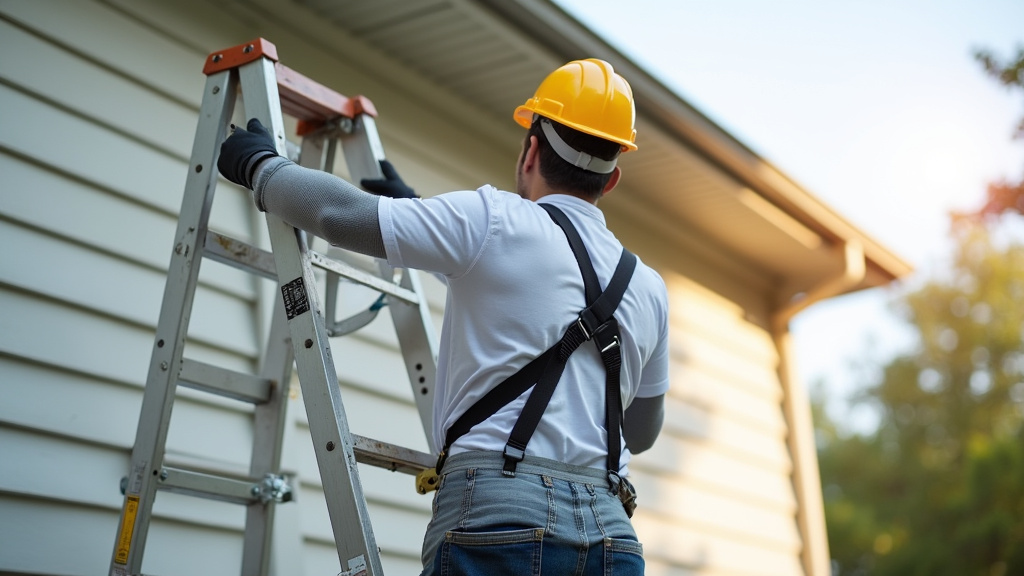
Siding, a fundamental aspect of residential and commercial construction, serves as the protective outer covering of buildings. Its importance cannot be overstated, as it shields structures from the elements, enhances aesthetic appeal, and significantly impacts energy efficiency. However, navigating the vast array of siding options—from traditional vinyl and wood to modern fiber cement and metal—can be daunting. This article delves into the world of siding, providing an authoritative guide to help homeowners and builders make informed decisions. We explore the benefits, drawbacks, installation considerations, and long-term impacts of various siding materials, offering a comprehensive solution for those seeking to transform or protect their properties.
Understanding Different Types of Siding
Choosing the right siding for your home is a crucial step in the exterior renovation process. Understanding the diverse types of siding available allows you to make an informed decision that aligns with your aesthetic preferences and structural needs. In Austin, where varying climates and weather conditions are experienced, selecting durable and suitable siding is essential for long-term protection.
Siding Contractors in Austin: Where to Start
Looking for siding contractors in Austin, TX? siding companies serves the local area and can answer questions specific to Austin.
The siding process involves several key considerations. First, you’ll need to determine the style that complements your home’s architecture. Options range from traditional vinyl siding, known for its low maintenance and affordability, to more authentic-looking wooden clapboard, which offers a classic appeal. Another popular choice is fiber cement siding, renowned for its superior durability and resistance to rot and pests. Each material has unique characteristics, influencing factors like installation complexity, cost, and lifespan. For instance, vinyl is easy to install but may not withstand extreme weather conditions as effectively as fiber cement.
Cost is another significant factor to consider when replacing siding on a 2000 sq ft house. The price can vary widely depending on the material and style selected. According to recent market data, the average cost to replace siding on a home of this size ranges from $10,000 to $15,000. Higher-end materials like stone or copper can significantly drive up costs. It’s crucial to balance your budget with the long-term benefits and durability of the siding chosen.
To ensure a successful siding project, it’s essential to avoid certain problems. One common issue is improper installation, which can lead to gaps, poor sealing, and eventual damage. Water penetration is a significant concern, as it can cause rot, mold, and structural issues over time. Using high-quality materials and hiring experienced contractors who follow best practices is key to preventing these problems. Additionally, keeping up with regular maintenance, such as inspecting and repairing any damaged or loose siding, will contribute to the longevity of your home’s exterior.
| Factor | What to know |
|---|---|
| Material options | Vinyl, wood clapboard, fiber cement, metal, stone, or copper |
| Average cost | $10,000 to $15,000 to replace siding on a 2000 sq ft house |
| Common installation issues | Improper installation causes gaps, poor sealing, and water penetration damage |
| Best installation timing | Late spring or early fall, avoiding extreme cold or heavy rain |
| Measurement importance | Accurately measure perimeter and architectural features to minimize waste |
| Regular maintenance | Inspect and repair damaged or loose siding to extend lifespan |
Measuring and Installing Siding Properly
Measuring and installing siding properly is a critical aspect of any home renovation project, especially when considering the long-term benefits of siding, such as durability and energy efficiency. In Austin, where the climate can be unpredictable, choosing the right siding and ensuring a professional installation is crucial. The question often arises, "Is Siding worth it in Austin?" The answer is a resounding yes. Newer siding options, like fiber cement, offer superior resistance to extreme weather, including high winds and wildfires, which are a concern in parts of the city.
The process begins with meticulous measurement. It’s important to accurately measure the perimeter and any unique architectural features of your home. This data is then used to calculate the amount of siding needed, ensuring a seamless fit with minimal waste. For instance, a 2,000-square-foot home with a traditional rectangular shape will have different siding requirements than a home with many bay windows and corners. Proper measurement ensures that you qualify for the best siding options available in Austin. What do you need to qualify for siding in Austin? Generally, a detailed home inspection and a clear understanding of your property’s unique characteristics are essential.
When it comes to new trends in siding, Austin homeowners are increasingly opting for low-maintenance alternatives that enhance curb appeal. Fiber cement siding, for example, has gained immense popularity due to its durability, fire-resistant properties, and the fact that it never needs painting. This long-lasting material not only adds beauty to homes but also increases their value. In a city like Austin, where real estate is competitive, making wise home improvement choices can be a game-changer. Whether you’re aiming for a traditional look or a modern aesthetic, proper measurement and installation of siding will ensure your home makes a lasting impression.

Maintaining and Replacing Damaged Siding
Damaged siding not only compromises the aesthetic appeal of a home but can also lead to serious structural issues. Maintaining and replacing siding promptly is crucial for protecting your property from the elements and ensuring longevity. The best time to install or replace siding is typically during the late spring or early fall, when weather conditions are more favorable. In milder climates, this could extend into winter, but it’s essential to avoid extreme cold and heavy rains that can delay the process.
For a 2000 sq ft house, the cost to replace siding can vary widely, generally ranging from $10,000 to $15,000, depending on the type of siding chosen, labor rates, and the complexity of the job. Vinyl siding, for instance, is more affordable and easier to install, while fiber cement or wood siding can be more expensive but offer enhanced durability and aesthetic appeal. In Austin, qualifying for siding installation or replacement might involve meeting specific criteria related to property age, location, and energy efficiency goals, with local incentives or grants available to promote home improvement projects.
Before replacing siding, conduct a thorough inspection to identify the extent of the damage. Look for cracks, peeling, warping, or missing sections. If the damage is limited to a few panels, removing and replacing those sections is a practical solution. However, if the damage is widespread, it might be more cost-effective to strip off the old siding and start fresh. Always consult with a professional to ensure the job is done right, considering factors like proper drainage, flashing, and ventilation to prevent future issues. Regular maintenance, including cleaning and inspecting siding, can help extend its lifespan and maintain the curb appeal of your home.
Golden State Builders
3355 Bee Caves Rd Ste 101, Austin, TX 78746
Website: gsbuildersgrouptx.com
View Golden State Builders on Google Maps
How to get to Golden State Builders from Randalls
If you're over by Randalls, you're only a few minutes from Golden State Builders. Head out on W Ben White Blvd and you'll find us on Bee Caves Rd Ste 101 at 3355 Bee Caves Rd Ste 101, Austin, TX 78746. Use the map below for turn-by-turn directions.
For related local guidance, see our austin tx resources.