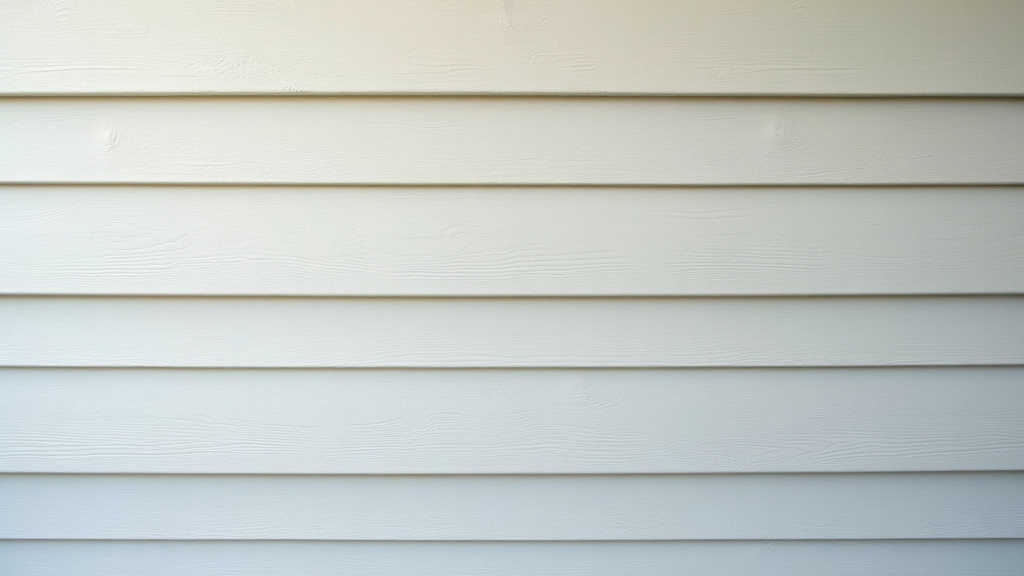
Siding, the protective outer layer of buildings, plays a important role in the aesthetic appeal and structural integrity of homes and commercial structures. However, selecting the right siding material and ensuring a proper installation can be a daunting task. Homeowners often struggle with the variety of options, each boasting unique advantages and drawbacks. This article examines the world of siding, offering insights into different types, from classic wood to modern fiber cement, and exploring the legal and regulatory framework surrounding it. We’ll guide you through the process, ensuring a solid understanding of the solutions available, to help make informed decisions for your construction or renovation projects.
Understanding Siding: Materials, Styles, and Benefits
Choosing the right siding is important for any Austin homeowner looking to enhance their property’s curb appeal and protect its structural integrity. The market offers a diverse range of materials and styles, each with unique advantages and considerations. Understanding these options is key to making an informed decision, especially with the varied climates and local regulations in Austin.
When considering siding, start by evaluating the material’s durability, energy efficiency, and low maintenance requirements. Vinyl siding, for instance, is a popular choice due to its affordability, versatility, and resistance to rot and pests. It’s a good option for homeowners seeking a quick and budget-friendly makeover. On the other hand, wood siding exudes natural charm and adds value, but requires more upkeep to prevent rot and insect damage. Fiber cement siding, known for its durability and low maintenance, is a top pick for those prioritizing long-term performance. Each material has its pros and cons, so weighing these factors is essential.
Siding Contractors in Austin: Where to Start
Looking for siding contractors in Austin, TX? Golden State Builders serves the local area and can answer questions specific to Austin.
Beyond the material, siding styles significantly impact a home’s appearance. Traditional styles like wood lap or shake offer a classic look, while more contemporary options such as vertical vinyl or fiber cement panels provide a sleek, modern aesthetic. Homeowners should consider the home’s architecture and their personal style preferences. A ranch-style home might complement a more organic, natural-material siding, while a modern, minimalist design could be enhanced by clean, vertical lines.
The best time of year to install siding in Austin depends on the climate and your contractor’s schedule. Generally, spring and fall offer milder weather conditions, making the installation process more comfortable. However, with proper planning and the right equipment, siding installation can be done year-round. As for whether siding is worth the investment, consider the long-term benefits. Quality siding can increase a home’s energy efficiency, protect against weather damage, and enhance its overall value, making it a sound decision for many Austin homeowners.
Installation and Maintenance: A Step-by-Step Guide
Choosing the right siding and ensuring a successful installation and maintenance requires careful planning. The best time to install siding is typically during the warmer months when weather conditions are favorable. In Austin, this often means late spring to early fall. Warmer temperatures and lower humidity levels make the installation process smoother, and faster drying times reduce the risk of mold and mildew issues.
Before starting any siding project, it’s important to understand the local building codes and regulations, which can vary significantly. Homeowners should consult with local building departments and roofing contractors to ensure compliance. Qualifying for siding may involve meeting specific criteria set by homeowners associations (HOAs). In Austin, some HOAs have guidelines regarding the type, color, and style of siding permitted, so it’s essential to check these before beginning construction.
One of the key aspects of successful siding maintenance is preventing common problems. Regular cleaning, especially removing mold and mildew, is essential. Austin’s humid climate can accelerate these issues, so homeowners should be proactive. Using the right cleaning solutions and tools recommended by manufacturers can prolong the life of the siding. Another problem to avoid is improper installation, which can lead to water damage, drafts, and even structural issues. Working with experienced contractors who follow best practices and use high-quality materials is vital to mitigating these risks.
| Factor | What to know |
|---|---|
| Vinyl siding | Affordable, versatile, resists rot and pests |
| Wood siding | Natural charm, adds value, needs more upkeep |
| Fiber cement siding | Durable, low maintenance, resists rot and insects |
| Best installation timing | Spring and fall, mild weather aids installation |
| HOA guidelines | May dictate siding type, color, and style |
| Common installation issues | Improper installation causes water damage and drafts |
Choosing the Right Siding for Your Home's Exterior
When selecting siding for your home’s exterior, it’s important to consider both aesthetics and durability. The latest trends in siding show a move towards low-maintenance options that mimic the look of natural materials. Vinyl siding, for instance, has gained popularity due to its affordability and versatility, available in various colors and styles to suit different architectural styles. Wood siding remains a classic choice, offering a warm, natural look, but requires more upkeep to maintain its appeal. Fiber cement siding is another durable option, known for its resistance to rot and insects, making it a smart choice for those looking for a long-lasting, low-maintenance exterior.
Choosing the right time of year for siding installation can significantly impact the outcome and cost. Spring and fall are often considered the best times to install siding due to moderate temperatures and less extreme weather conditions. This ensures better paint or finish adhesion and allows for a neater application. However, it’s essential to consult with a roofing contractor local to Austin to understand the specific climate considerations in your area. They can help you handle the best timing based on local weather patterns and temperature fluctuations.
To qualify for siding in Austin, you’ll need to meet certain criteria set by local building departments and national construction codes. These may include permit requirements, specific material standards, and installation practices. Homeowners Associations (HOAs) can also have guidelines that affect your choice of siding. Some HOAs may mandate certain styles or colors to maintain a consistent aesthetic within the community. It’s important to review these guidelines early in the process to avoid unexpected delays or costs.
selecting the right siding involves a combination of personal preference, practical considerations, and compliance with local regulations. Staying informed about the latest trends, understanding the best installation times, and working with qualified contractors will ensure a successful exterior makeover.
Frequently Asked Questions About Siding
What is siding and why is it important?
Siding is an exterior cladding material that covers and protects a building’s walls. It’s important for weatherproofing, enhancing curb appeal, and increasing energy efficiency. Different siding materials, like vinyl, wood, fiber cement, and aluminum, offer varying levels of durability, aesthetic appeal, and cost.
How do I choose the right siding for my home?
Consider your climate, home style, budget, and maintenance preferences. Vinyl siding is low-maintenance and affordable, while wood offers a classic look but requires regular painting or staining. Consult a professional to discuss your options and get expert advice tailored to your specific needs.
How much does siding installation cost?
Installation costs vary widely depending on the type of siding, the size of your home, and the complexity of the job. On average, expect to pay between $5,000 and $15,000, but smaller projects can range as low as $1,000.
How long does siding last?
The lifespan of siding varies by material. Vinyl and fiber cement siding can last 30-50 years, while wood and aluminum siding typically last 25-40 years with proper maintenance.
Can siding be repaired, or do I always need to replace it entirely?
Minor damage, like cracks or chips, can often be repaired with touch-up paint or by replacing individual panels. However, if siding is severely damaged, water damaged, or deteriorating, replacement is usually the best option.
How does siding impact my home’s energy efficiency?
Siding can significantly affect energy bills. Insulated siding, like fiber cement or vinyl with a built-in insulation barrier, helps regulate indoor temperatures, reducing heating and cooling costs.
Are there any local building codes or regulations I should be aware of before installing siding?
Always check with your local building department. Some areas have specific requirements for siding materials, colors, and installation methods. Compliance ensures your home meets safety standards and could even qualify you for tax incentives.
By considering the diverse types of siding, such as vinyl, wood, and fiber cement, and understanding the legal frameworks governing exterior home renovations, homeowners can make informed decisions. This article has provided a detailed guide on installation and maintenance, empowering do-it-yourselfers with the knowledge to tackle these tasks. It has highlighted the benefits of each siding material, offering a clear path to choosing the best option for individual needs. With this comprehensive overview, readers are now equipped to transform their homes’ exteriors, enhancing curb appeal and property value. Next steps include reaching out to local roofing contractors for expert advice and estimates, ensuring compliance with local building departments and national construction codes, and exploring manufacturer warranties for added peace of mind.
Golden State Builders
3355 Bee Caves Rd Ste 101, Austin, TX 78746
Website: gsbuildersgrouptx.com
View Golden State Builders on Google Maps
How to get to Golden State Builders from McKinney Falls State Park
Starting near McKinney Falls State Park? Golden State Builders is close by. Head out on McKinney Falls Pkwy and you’ll find us on Bee Caves Rd Ste 101 at 3355 Bee Caves Rd Ste 101, Austin, TX 78746. Use the map below for turn-by-turn directions.
For related local guidance, see our austin tx resources.